January 23, 2026
Food poisoning affects millions of people each year and is often dismissed as a short-term inconvenience. While many cases resolve on their own, severe food poisoning can escalate rapidly and become life-threatening without prompt medical care. Recognizing when symptoms move beyond mild discomfort is essential, as timely food poisoning treatment can prevent complications such as dehydration, organ failure, and long-term health conditions. Understanding the causes, symptoms, and risks empowers individuals to act quickly and protect their health.
Understanding Severe Food Poisoning
Definition and Causes
Severe food poisoning occurs when contaminated food causes intense and persistent symptoms that interfere with normal bodily functions. It results from exposure to harmful bacteria, viruses, or parasites that enter food during production, preparation, or storage. Contamination can occur at any point along the food supply chain, making prevention a shared responsibility. Early food poisoning treatment helps stop these pathogens from causing further harm once infection begins.
Symptoms and Diagnosis
Symptoms of severe food poisoning often include ongoing vomiting, profuse diarrhea, high fever, severe abdominal pain, and signs of dehydration. In more serious cases, neurological symptoms such as confusion or dizziness may appear. These symptoms tend to persist longer and worsen faster than mild foodborne illnesses. Accurate diagnosis allows healthcare providers to initiate food poisoning treatment tailored to the specific cause.
Common Sources of Severe Infection
Bacteria such as Salmonella and E. coli are frequent causes of severe food poisoning and can lead to dehydration, kidney issues, and systemic infection. Viruses can spread rapidly and often cause outbreaks in shared environments. Parasitic infections, though less common, can cause prolonged illness if not identified early. Effective food poisoning treatment depends on understanding the source of infection and responding quickly.
High-Risk Foods and Behaviors
Raw meats, unpasteurized dairy products, seafood, and improperly handled produce are among the most common sources of contamination. Unsafe food handling practices, including inadequate cooking and cross-contamination, increase exposure risks. While prevention is critical, timely food poisoning treatment remains essential when illness occurs despite precautions.
Populations at Greater Risk
Certain individuals face a higher risk of severe outcomes, including young children, older adults, pregnant individuals, and those with weakened immune systems. These groups may experience faster symptom escalation and greater complications, making immediate food poisoning treatment especially important to reduce health risks.
The Dangers of Delayed Treatment
Escalation of Symptoms
Delaying medical care allows infections to worsen. What may start as nausea or stomach cramps can quickly progress into severe dehydration and systemic illness. Early food poisoning treatment can interrupt this progression before symptoms become unmanageable.
Dehydration and Electrolyte Imbalance
Persistent vomiting and diarrhea cause rapid fluid loss. Without timely replacement, dehydration disrupts electrolyte levels, affecting heart function and kidney performance. Medical food poisoning treatment often includes intravenous fluids to stabilize the body and prevent complications.
Organ Damage and Failure
Toxins released by foodborne pathogens place stress on vital organs, particularly the kidneys and liver. Without prompt care, prolonged exposure can result in lasting damage or failure. Immediate food poisoning treatment helps reduce toxin levels and supports organ function during recovery.
Long-Term Health Complications
Untreated or poorly managed food poisoning can lead to lasting health issues, including chronic digestive disorders and neurological complications. Prompt food poisoning treatment lowers the risk of these outcomes and supports a more complete recovery.
Risk of Fatal Outcomes
In extreme cases, severe food poisoning can lead to bloodstream infections and multi-organ failure. Vulnerable individuals face the greatest risk. Seeking emergency food poisoning treatment when symptoms are severe is critical to preventing life-threatening outcomes.
Immediate Medical Interventions
Emergency Care Protocols
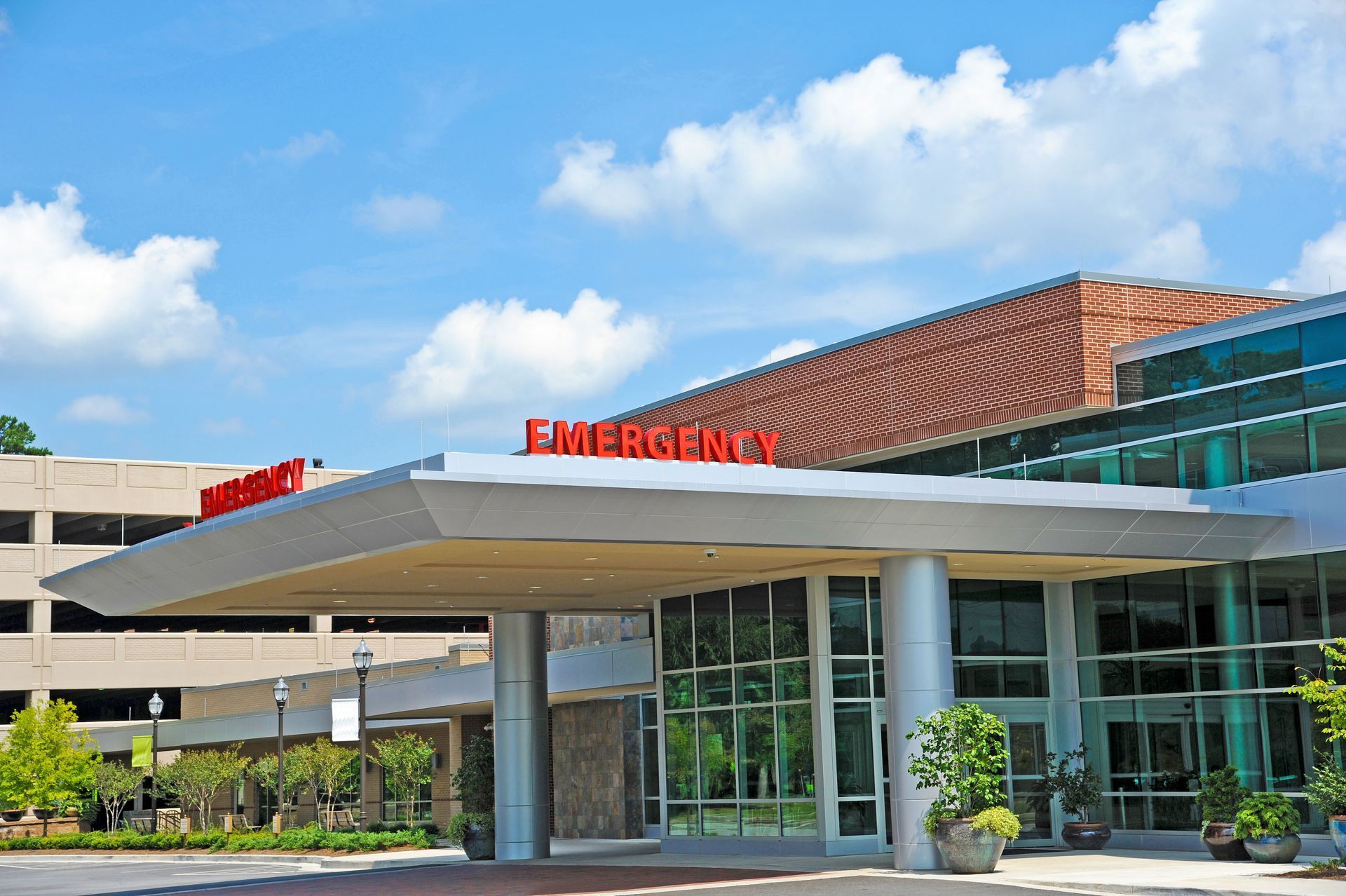
Emergency departments follow established protocols to manage severe food poisoning efficiently. Rapid assessment, stabilization, and targeted care are prioritized. Early food poisoning treatment in emergency settings often shortens recovery time and limits complications.
Emergency rooms regularly treat serious medical conditions that do not involve physical injury. In fact, 18.3 million emergency room visits are related to non-injury reasons, according to the CDC. This highlights how conditions such as severe food poisoning frequently require immediate medical attention, even when no visible injury is present.
Intravenous Fluid Therapy
IV fluids are essential for restoring hydration and correcting electrolyte imbalances. This approach allows for rapid absorption and close monitoring, which is particularly important when oral intake is not possible. Hydration-focused food poisoning treatment is often the first step toward stabilization.
Antibiotic and Antitoxin Treatment
When bacterial infections are identified, antibiotics may be prescribed to eliminate harmful organisms. Antitoxins are used in specific cases to neutralize toxins released by certain pathogens. Targeted food poisoning treatment avoids unnecessary medications while addressing the root cause.
Pain Management and Supportive Care
Severe food poisoning often involves significant discomfort. Pain relief, anti-nausea medications, and nutritional support help improve patient comfort and promote healing. Comprehensive food poisoning treatment addresses both symptoms and the underlying infection.
Monitoring and Follow-Up
Ongoing monitoring allows healthcare providers to detect complications early and adjust care as needed. Follow-up visits may include dietary guidance and further testing to confirm recovery after food poisoning treatment.
Preventive Measures in Healthcare Settings
Sanitation and Hygiene Standards
Strict sanitation protocols in healthcare environments reduce the risk of cross-contamination. While prevention is the goal, effective food poisoning treatment relies on maintaining clean, controlled clinical settings.
Safe Food Handling Practices
Proper food storage, preparation, and cooking methods minimize contamination risks. Healthcare facilities emphasize adherence to safety guidelines to protect patients who may already be recovering from food poisoning treatment.
Training Healthcare Professionals
Education programs help medical professionals recognize symptoms quickly and respond appropriately. Well-trained providers improve outcomes by delivering timely and accurate food poisoning treatment.
Patient Education and Dietary Guidance
Educating patients about food safety and symptom recognition empowers individuals to seek food poisoning treatment early, reducing the likelihood of severe complications
.
Policy and Regulatory Oversight
Regulatory frameworks establish food safety standards and accountability measures. Strong policies support public access to proper food poisoning treatment and preventive resources.
Economic and Social Impacts of Severe Food Poisoning
Financial Burden on Individuals and Healthcare Systems
Hospitalization, treatment costs, and lost income place financial strain on affected individuals. Early food poisoning treatment often reduces hospital stays and overall expenses.
Workplace and Productivity Effects
Severe food poisoning leads to missed work and reduced productivity. Prompt food poisoning treatment supports faster recovery and minimizes workplace disruption.
Public Health Resource Demands
Outbreak management requires significant public health resources. Timely food poisoning treatment helps limit the spread of illness and conserves system capacity.
Community Awareness and Behavioral Change
Public education following outbreaks reinforces safe practices and the importance of seeking food poisoning treatment when symptoms become severe.
Legal and Ethical Considerations
Food safety failures can result in legal action and regulatory consequences. Access to appropriate food poisoning treatment plays a role in protecting public health and reinforcing accountability.
Severe food poisoning is a serious medical condition that requires prompt attention. Early recognition of symptoms, immediate food poisoning treatment, and adherence to preventive practices significantly reduce complications and long-term health risks. Emergency care, hydration, targeted medication, and follow-up support all play critical roles in recovery. Prioritizing timely medical care helps safeguard individual and public health. If you're experiencing any symptoms of food poisoning, don't hesitate to come to Lonestar 24 HR ER. Our team is here to help you whenever you need us.