December 5, 2025
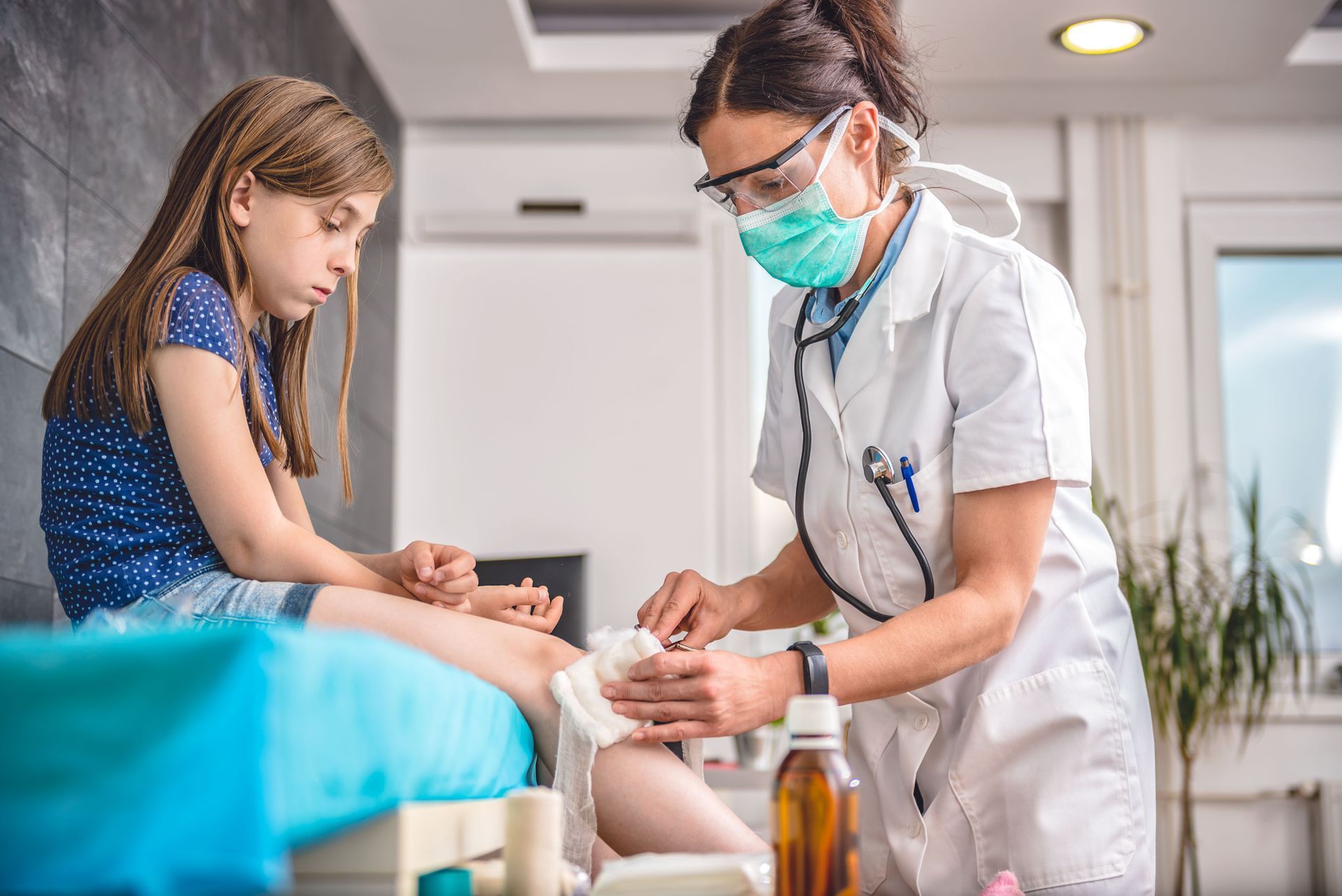
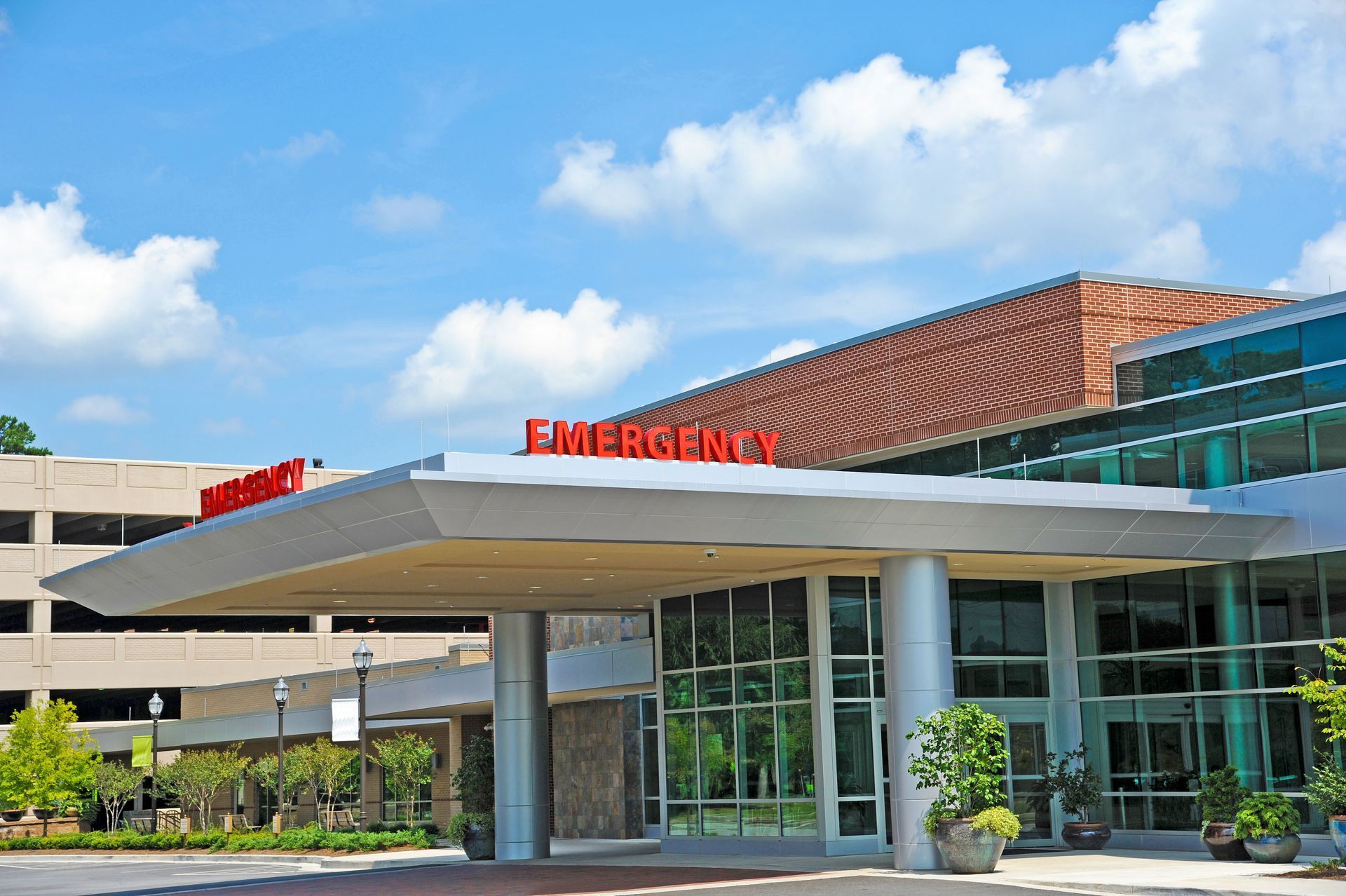
In today's fast-paced world, 24-hour emergency rooms (ERs) play a pivotal role in managing unexpected health crises and local emergencies. Whether it's a car accident, a sudden illness, or a catastrophic event, having access to immediate medical attention can make the difference between life and death. These facilities are designed to handle a myriad of urgent healthcare needs and are often staffed with highly trained medical professionals who are prepared to address the most critical situations at any hour of the day or night. According to the National Center for Health Statistics from the CDC, there are approximately 18.3 million emergency department visits resulting in hospital admission each year, highlighting the essential function of emergency rooms in safeguarding community health.
Responding to Life-Threatening Conditions
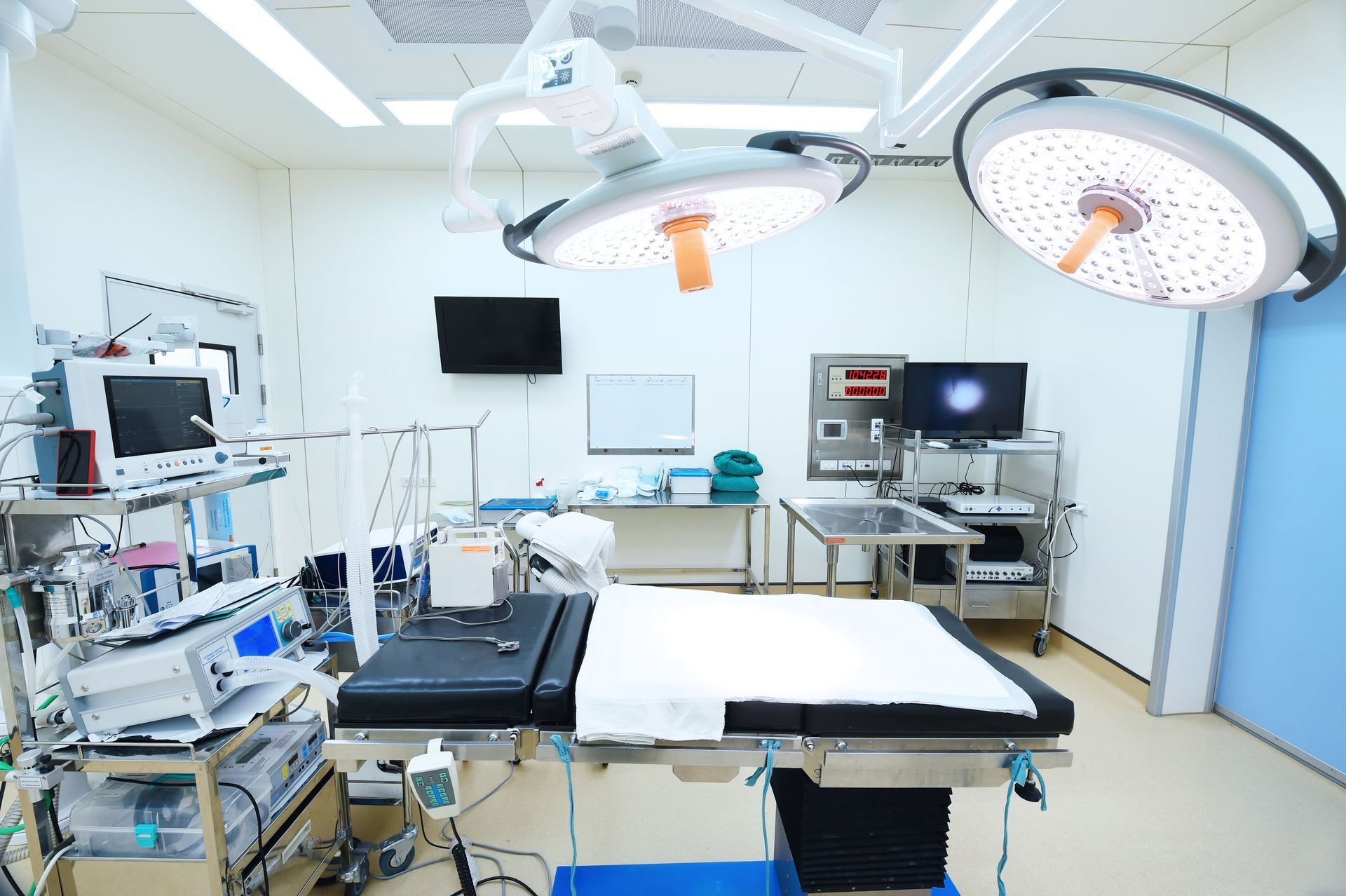
One of the primary functions of a 24-hour emergency room is to provide immediate care for life-threatening conditions, many of which arise during local emergencies such as traffic accidents or natural disasters. The immediacy of care is crucial in such scenarios, as the time between the onset of the emergency and medical intervention can significantly influence the outcome. Advanced emergency care facilities equipped with the latest medical technology ensure patients receive the necessary treatment promptly, even when the community is experiencing widespread distress.
Supporting Communities During Disasters
In addition to handling acute emergencies, 24-hour ERs are essential during natural disasters or community health crises. These situations require rapid medical response and coordination with local authorities to manage the influx of patients effectively. During local emergencies such as floods, fires, or public health outbreaks, emergency rooms serve as command centers for triage, stabilizing treatments, and organizing further necessary care. They play an indispensable role in coordinating relief efforts and ensuring that medical aid reaches those who need it most.
Offering Round-the-Clock Healthcare Services
The availability of continuous care also aids in addressing the unpredictability of healthcare needs. With shifts in demographics and climate conditions contributing to more frequent local emergencies, 24-hour ERs are invaluable in offering round-the-clock services. For communities without other 24/7 healthcare resources, they serve as a primary contact point for urgent medical attention. This is supported by data from the National Center for Health Statistics from the CDC, which indicates approximately 18.3 million emergency department visits result in hospital admission annually, underscoring the critical nature of these facilities and their role in supporting community resilience.
Serving as the Gateway to Further Care
Furthermore, 24-hour emergency rooms are crucial components of the healthcare system, offering not only treatment but also serving as a gateway for further medical care. Patients requiring specialized services or long-term care are often first assessed in emergency settings before being referred to appropriate specialists or admitted to a hospital. This function ensures streamlined patient care pathways and efficient use of medical resources. When local emergencies strain hospital capacities, ERs work closely with nearby facilities to distribute patient loads effectively, ensuring that every individual receives timely and appropriate care.
Promoting Public Health and Education
The role of 24-hour ERs extends beyond immediate medical care, also including public health education and preventive care. By offering immediate diagnoses and treatments, ERs often prevent the escalation of illnesses that might otherwise go untreated due to lack of time or resources. Additionally, they sometimes offer vaccination clinics and distribute health education materials to help prevent recurrent visits and improve the overall health awareness of the community. In the aftermath of local emergencies, these public health initiatives become even more vital, helping to restore safety and well-being across affected populations.
The role of 24-hour emergency rooms is undeniably crucial in managing local emergencies and unforeseen health issues. These facilities not only save lives by providing immediate care for acute medical conditions but also play a significant part in disaster response, healthcare resource management, and public health advocacy. Every community relies on the dedicated professionals and advanced facilities within their local ERs to maintain and improve public safety and health outcomes, highlighting the indispensable nature of these emergency services. As healthcare demands evolve and communities face new challenges, 24-hour ERs will continue to stand as the frontline defenders of public health, ensuring that no one is left without access to urgent, life-saving care when it matters most. Lonestar 24 HR ER is here for you whenever you are experiencing local emergencies . Let us help you during a difficult time.